

The Wellness Edit: GLP-1 Medications – What They Are, What They Aren’t, and What Actually Matters Most
If you’ve scrolled social media or caught up with friends lately, chances are GLP-1 medications have come up. Maybe there’s curiosity about them. Maybe they’re already part of the picture. Maybe they’ve been ruled out entirely. Wherever a woman lands, real information and zero judgment matter here, because there is no single right way to care for a body.
Let’s be honest: this is one of those topics that pushes a lot of buttons. It touches on weight, willpower, appearance, and years of mixed messages about what a woman’s body is supposed to do or look like. That alone makes it worth slowing down and talking about with more nuance than a headline or a comment section usually allows.
Why It’s Everywhere Right Now
Part of why this topic feels so loud right now is that it’s genuinely expanding. There are already several GLP-1 and weight loss medications on the market, and more are moving through development and approval. This isn’t a fad likely to fade quietly. It’s shaping up to be a lasting part of the health and weight conversation for years to come.
It’s also worth knowing that these medications are accessed in a lot of different ways these days, through a primary care doctor, a specialist, a telehealth platform, or a compounding pharmacy, and not all of those routes are the same. Some versions being sold, especially certain compounded formulations, are not FDA approved, which means the safety, dosing, and quality controls that come with an approved medication aren’t guaranteed. Knowing where something comes from and who is overseeing it is a meaningful part of this decision, not a small detail.
What GLP-1 Medications Actually Do
GLP-1 stands for glucagon-like peptide-1, a hormone the body already makes naturally in the gut. It plays a role in regulating blood sugar, slowing digestion, and signaling to the brain that it’s time to stop eating. Medications in this category work by mimicking that hormone, which is why they’ve become known for supporting weight loss and improving blood sugar control. They were originally developed for type 2 diabetes and have since expanded because of those broader metabolic benefits. For some women, especially those navigating insulin resistance, PCOS, or the shifts of perimenopause and menopause, they can be a genuinely helpful tool.
What Draws Women to Them
- Can significantly reduce appetite and food noise, which many women describe as life changing.
- May improve blood sugar regulation and insulin sensitivity.
- Can support meaningful fat loss, particularly visceral fat, when paired with good habits.
- Has given some women the mental and physical space to finally build sustainable routines after years of feeling stuck.
What’s Worth Knowing Before Considering One
- Common side effects include nausea, digestive changes, and fatigue, and for some women that’s enough to stop treatment altogether.
- Not everyone responds the same way. Dramatic results, modest results, and little response are all normal biological outcomes, not a personal failing.
- Without enough protein, hydration, and strength training, muscle loss can happen alongside fat loss.
- They’re not a permanent fix on their own. Habits still matter for the results to last.
- Cost, access, and long term research are all still evolving.
- Sourcing matters. A medication from an unregulated or non FDA approved source carries risks an approved, monitored prescription doesn’t.
- This is a medical decision, best made with a doctor who knows a woman’s full health picture, not a trend to follow because everyone else is talking about it.
Why Lifestyle Still Comes First
Here’s the piece worth carrying away from all of this. Whether or not a woman uses a GLP-1 or another weight loss medication, daily habits are still the foundation everything else is built on, and honestly, they are the more powerful lever than most people realize. Medication can help regulate appetite or blood sugar, but it can’t build muscle, teach the body to manage stress, or replace the nutrients that come from food. That part stays entirely in her hands, and that’s actually good news, because it means every woman already has real, meaningful tools available to her, starting today, with or without a prescription.
For a woman using a GLP-1 medication, leaning into protein, fiber, hydration, and strength training helps protect muscle mass and energy while losing weight, not just the number on the scale. For a woman not using one, or who has chosen not to, there is genuinely so much the body can do on its own when it’s supported well. In many cases, these same habits produce results that feel just as significant, they simply build a little more gradually.
The Natural, Powerful Side of GLP-1
The gut already produces GLP-1 on its own, every day, and this is one of the most underrated pieces of this entire conversation. Certain habits genuinely amplify that natural process, often in ways that surprise women once they see how directly food and movement influence appetite, blood sugar, and fullness.
- Protein at every meal, one of the strongest natural triggers of GLP-1 release and the same fullness signal the medications target.
- Fiber rich foods like vegetables, beans, lentils, and whole grains, which feed the gut bacteria involved in GLP-1 production and steady blood sugar for hours afterward.
- Eating order. Vegetables and protein before refined carbohydrates at a meal can blunt blood sugar spikes and extend fullness.
- Healthy fats like olive oil, avocado, and nuts, which slow digestion and add to the fullness response.
- Strength training, one of the most effective tools a woman has for insulin sensitivity and metabolic health at any age.
- Balanced blood sugar throughout the day, pairing carbohydrates with protein and fat to avoid the spikes and crashes that drive cravings.
- Consistent sleep and stress management, both of which affect hunger hormones, including GLP-1 activity, more than most women expect.
- Hydration, since even mild dehydration can be mistaken for hunger and affect fullness cues.
None of these are quick fixes, and that’s the point. They are the same habits that support a woman’s health in every season of life, they compound over time, and they work whether or not medication is ever part of the picture. For many women, this is where the real, lasting shift happens.
Let’s Keep This Conversation Judgment-Free
Choosing a GLP-1 or other weight loss medication isn’t a shortcut, and choosing not to isn’t a badge of willpower. Both are simply different paths women are walking right now, often for very different reasons, in very different bodies and seasons of life. There’s room for all of it here.
What matters most is real information instead of headlines, feeling safe talking about this openly with each other, and no one having to defend her choice either way. Some women will decide a medication is right for them, in partnership with their doctor. Others will build their results through nutrition, strength training, and consistency alone. Many will land somewhere in between, and what worked in one season may not work in the next. That’s completely normal.
This conversation isn’t going anywhere, and neither is the pressure that can come with it. So consider this an open invitation: talk about it with friends, ask questions without embarrassment, and give the women around you the same grace worth giving yourself.
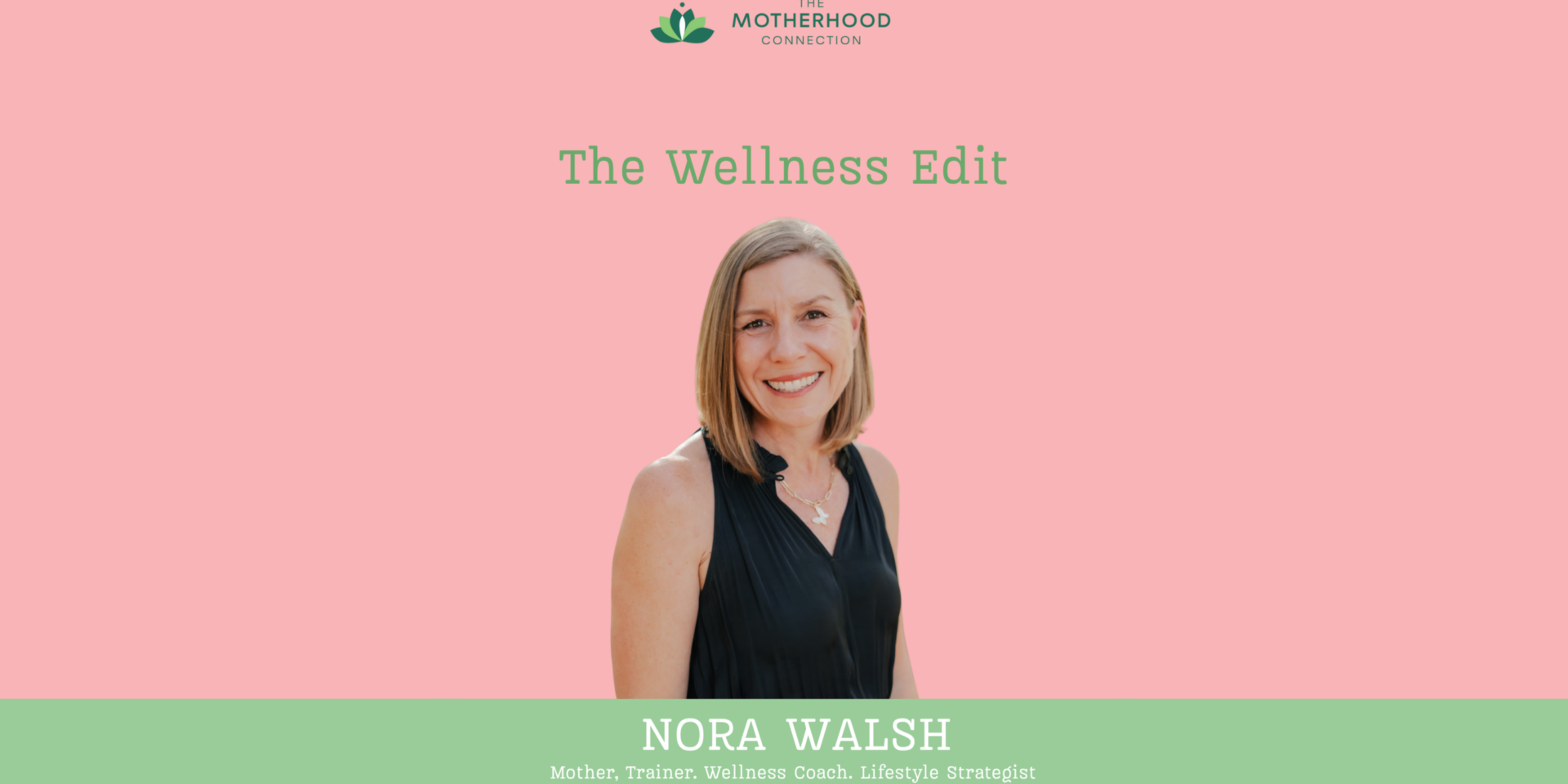
Nora Walsh is a health coach, personal trainer, menopause coaching specialist, and the founder of Healthy Balance Fitness. With a degree in Exercise Science and nearly 30 years of experience in the health and fitness field, Nora helps women build sustainable habits that support strength, energy, and long term health. Her work focuses on practical approaches to nutrition, strength training, and lifestyle that help women feel strong, capable, and supported through every season of life.
Nora works with women ranging from new moms to those navigating perimenopause and menopause, helping them understand how their bodies change over time and how simple, consistent habits can support metabolic health and overall well being. She believes health should feel supportive rather than overwhelming, and her approach centers on balance, compassion, and realistic strategies that fit into busy lives.
Based in Long Beach, Nora works with clients both virtually and in person, helping women prioritize their health so they can show up with more energy and strength for the life they’re living.
Important Disclaimer
All content submitted and published as part of the Expert Series reflects the views, opinions, and professional perspectives of the individual contributor.
The Motherhood Connection does not independently verify facts, claims, or professional guidance provided within contributed editorials and is not responsible or liable for the accuracy, completeness, or outcomes related to the content.
Contributors are solely responsible for ensuring their information is accurate, ethical, and aligned with their professional standards and any applicable regulations or licensing requirements.

