

Creating a Safe Place to Grow: How to Support LGBTQ+ Kids & Teens
Every child deserves to feel loved, valued, and accepted for who they are.
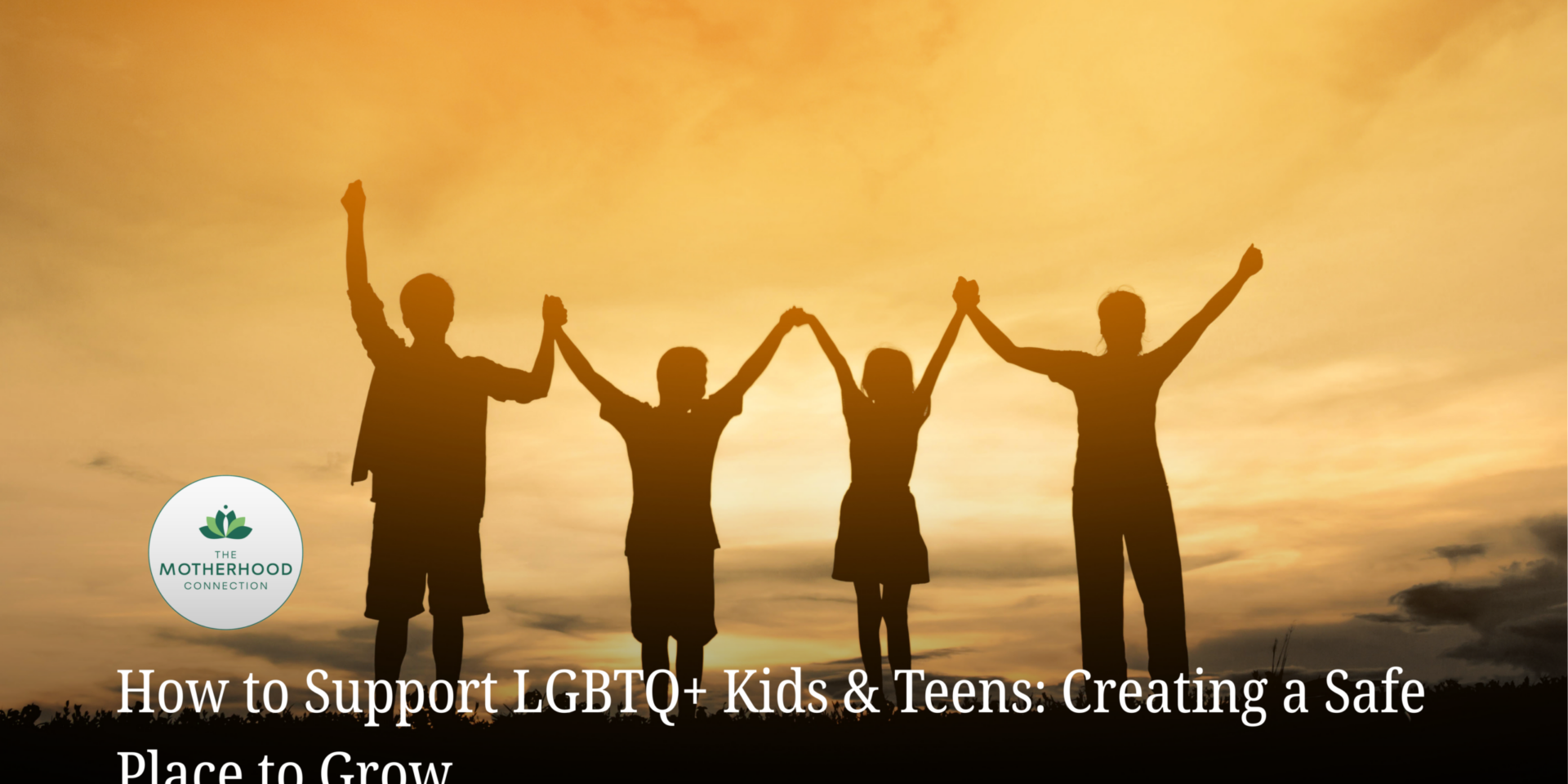
For LGBTQ+ kids and teens, that sense of belonging can make an enormous difference in how they navigate friendships, school, family relationships, and the challenges that naturally come with growing up. While every young person’s experience is unique, one thing remains true: having supportive adults in their corner matters.
Many parents, grandparents, caregivers, teachers, coaches, and mentors want to be supportive but aren’t always sure what that looks like in everyday life. The good news is that support doesn’t require having all the answers. More often than not, it begins with listening, learning, and showing up consistently.
Start with Love, Not Perfection
One of the greatest gifts an adult can give a child is the reassurance that their love is not conditional.
Many young people spend a great deal of time wondering how others will react when they share personal parts of their identity. Some may openly discuss their experiences, while others may take months or years before feeling comfortable enough to do so. You don’t need the perfect words. You don’t need to know everything about LGBTQ+ terminology. You don’t need to have every answer prepared. What matters most is creating an environment where a child knows they can come to you without fear of judgment.
Simple statements can go a long way:
- “I love you.”
- “Thank you for sharing that with me.”
- “I’m here to listen.”
- “You don’t have to figure everything out alone.”
Support often looks less like giving advice and more like making space for honest conversations.
Listen More Than You Speak
As adults, our natural instinct is often to solve problems. We want to fix situations, provide guidance, and protect our children from discomfort, but sometimes what kids need most is someone who will simply listen.
When a child shares something personal, try to focus on understanding rather than immediately responding. Ask open-ended questions and allow them to share at their own pace.
You might ask:
- How are you feeling about this?
- Is there anything you need from me right now?
- How can I best support you?
These conversations don’t need to happen all at once. Trust is often built through many small moments over time.
Create a Home Where Questions Are Welcome
Growing up involves discovering who you are. That process can include questions about interests, friendships, values, goals, identity, and future plans. Creating a home environment where curiosity is welcomed allows young people to explore who they are without feeling pressured to have everything figured out. Not every conversation needs to be serious. Sometimes support looks like making room for everyday discussions and celebrating accomplishments.
They are still the same kid who loves their favorite hobbies, complains about homework, laughs at inside jokes, and asks what’s for dinner. Their identity is one part of who they are, not the entirety of who they are.
Respect Their Pace
Every young person’s journey is different.
Some children are comfortable talking openly about their experiences. Others are more private. Some may feel confident in who they are, while others are still exploring and learning about themselves. Avoid putting pressure on them to move faster than they are comfortable with. Respecting a child’s pace demonstrates trust and helps build confidence. It sends the message that they are allowed to grow and learn without feeling rushed or judged.
If you’re a parent, teacher, coach, family friend, grandparent, or mentor, you may be one of the most important people in a child’s life.
Being a safe adult doesn’t require special training. It often means:
- Listening without judgment
- Respecting boundaries
- Keeping communication open
- Following through on promises
- Being consistent
- Showing up when it matters
Young people often remember how adults made them feel long after they forget specific conversations.
Find Community and Connection: Local Long Beach Resources
One of the most powerful things for young people—and their families—is realizing they are not alone. Long Beach is fortunate to have organizations that provide welcoming spaces, educational resources, youth programs, and opportunities for connection.
The LGBTQ Center Long Beach
This community organization offers youth and family services, support groups, educational programs, advocacy resources, and community events designed to help LGBTQ+ individuals and families feel connected and supported. The organization serves thousands of community members each year through a variety of programs and services.
The Center also offers Youth & Family Services specifically focused on supporting LGBTQ+ youth and their families.
For teens ages 13–18, the MYTE (Mentoring Youth Through Empowerment) program provides opportunities for peer connection, activities, advocacy, and affirming support in a welcoming environment.
City of Long Beach Health and Human Services
The City of Long Beach maintains LGBTQ+ resource information and community support listings that can help families identify additional local programs and services.
At the heart of it all, supporting LGBTQ+ kids and teens comes down to something simple: helping them feel seen, heard, and loved. Young people don’t need perfect parents, perfect teachers, or perfect mentors. They need caring adults who are willing to listen, learn, and stay present.
When children know they have people who believe in them, encourage them, and create space for them to be themselves, they gain something incredibly powerful, a sense of belonging, and every child deserves that.
Disclaimer: This article is intended for informational and educational purposes only. It is not medical, mental health, legal, or professional advice. Families seeking specialized support should consult qualified professionals or local organizations that can provide guidance tailored to their individual circumstances.