
Long Beach Moms Guide: Get Your Family Earthquake and El Niño Ready
Did you feel it? Just after midnight on Friday, October 9th, a magnitude 3.2 earthquake hit about a mile southwest of Signal Hill. It woke up a lot of us, and more than 900 people reported the shaking to the USGS. Thankfully there was no significant damage or injury. Small earthquakes like this one are good reminders that we need to be ready for bigger ones.
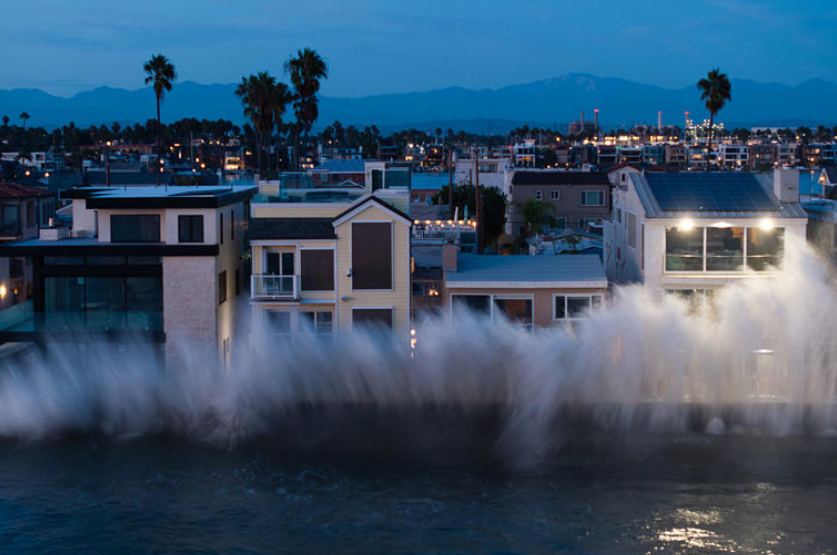
And it’s not just the ground moving. In the past few months Long Beach has had summer heat advisories, ocean temperatures 7 to 8 degrees above normal, and tides running 1 to 2 feet higher than usual. Forecasters say all of this comes before what could be a historic El Niño winter. It’s no wonder emergency preparedness is on every mom’s mind.
The good news is that the same basic steps get your family ready for almost anything. Here’s how to start.
When the earth starts moving: DROP, COVER and HOLD ON
The most important thing to do in an earthquake is to DROP, COVER and HOLD ON.
You can, and should, practice this often with everyone in your household. And remember, even if you were taught differently, doorways are no stronger than any other part of a building. If you can, get under a sturdy piece of furniture and hold on.
Perfect timing: The Great California ShakeOut is tomorrow, Thursday, October 15, at 10:15 a.m. Millions of Californians will practice Drop, Cover and Hold On at the same moment. Join in from home, school or work, and register your family at shakeout.org.
If you’re new to the area or want a refresher, the Red Cross has more earthquake preparedness information here.
What’s coming this winter: El Niño, Kelvin waves and coastal flooding
El Niño: NOAA’s Climate Prediction Center gives a greater than 90% chance of a “very strong” El Niño this fall and winter, and says it could be the strongest on record since 1950. That doesn’t guarantee a soggy winter. But it raises the odds of more frequent storms, which bring flash flooding, coastal erosion and mudslides. In the strong 1997–98 El Niño, the region got about 30 inches of rain, more than twice the average.
Kelvin waves: These aren’t waves you can surf. They are huge, slow pulses of warm ocean water that El Niño sends toward our coast. Warm water expands, so a Kelvin wave can raise background sea levels along the West Coast by 6 to 12 inches, and that can last for months. Add a high tide or a storm swell on top, and the risk of coastal flooding goes up. Experts expect conditions to get worse into November and December.
Governor Newsom declared a state of emergency in late September to help California prepare for El Niño. Now is the time for all of us to get ready too.
Four simple actions you can take today
First, make a plan
Every family member should know what to do in an emergency: who to call, where to go and what to do. Talk with your household about the emergencies most likely to happen here in Long Beach, including earthquakes, flooding, fire, extreme heat and severe storms. Have each person pick their role and responsibilities, then practice as much of the plan as you can.
A few things to add to your plan this year:
- Know your risk. Type your address into MyHazards to see whether your home is in a flood, earthquake or tsunami hazard zone.
- Pick two meeting spots. Choose one near your home and one outside your neighborhood in case you can’t get back.
- Choose an out-of-area contact. After a disaster, long-distance calls and texts often get through when local ones don’t.
- Know your kids’ school plan. Find out the pickup procedures and who is authorized to pick up your children.
If you’d like to involve your children in planning (and we recommend you do), the Red Cross has disaster preparedness materials for kids of all ages. For detailed ideas and ready-made templates to build your family’s plan, visit ready.gov/plan.
Next, create an emergency kit
We know, we know… creating, and then maintaining, an emergency kit can be overwhelming. But it’s one of the most important ways to keep your family safe and comfortable in a disaster. There are many pre-made lists online to help you put one together.
Think about your family’s needs:
- Little ones: Pack extra formula, diapers, wipes and maybe even a baby carrier.
- Pets: Pack food, leashes, poop bags and a copy of vaccination records.
- Everyone: Store water (about one gallon per person per day, for at least three days) and nonperishable food. Add a flashlight, a first aid kit, important identity documents, prescriptions and medications, phone chargers and a portable battery pack, and cash.
- Storm season extras: Rain jackets, rain boots, a weather radio and a tarp.
- Spirit boosters: A few toys, books or card games to keep everyone calm.
Keep a smaller version of your kit in the car too. Many of us spend a lot of time on the 405 and the 710!
Then, prepare your home
For earthquakes: Secure tall bookcases, dressers and TVs to the wall, especially in kids’ rooms. Move heavy items to lower shelves, and keep shoes and a flashlight by every bed.
For El Niño storms and flooding:
- Get sandbags. Empty sandbags are available year-round at every Long Beach Fire Department neighborhood station. You can find your closest station here. Before major storms, the city opens sand distribution sites. Earlier this month those sites were Fire Stations 7, 12, 13 and 14 and the Claremont Beach parking lot. The sites are for Long Beach residents only, so bring your ID and your own shovel. There’s a limit of 10 bags per person. The city suggests filling bags now and storing them for the rest of the winter. Here’s a helpful video on filling sandbags safely.
- Clear gutters, downspouts and the storm drains near your home. You can report clogged catch basins, downed trees and broken streetlights through the Go Long Beach app.
- Think about flood insurance. Standard homeowners and renters policies usually don’t cover flood damage, and most flood policies take 30 days to start.
- Never walk or drive through flooded streets. Just six inches of moving water can knock an adult off their feet.
Finally, gather information
In the chaos of a disaster, you want information NOW. Sign up today for text and email alerts through Alert Long Beach, and make sure Wireless Emergency Alerts are turned on in your phone’s settings. During storms, follow @LongBeachCity and #LBRain on social media for real-time updates.
Download the free MyShake app too. It was created by UC Berkeley and the California Governor’s Office of Emergency Services. When an earthquake starts, it can send an alert to your phone before the shaking reaches you. Those few seconds are enough to Drop, Cover and Hold On.
You can also gather other essential information ahead of time. For example, do you know how to turn off the main power, gas and water to your house?
- Gas: There’s usually a metal shutoff tool, and you can keep one near the meter. Only shut off the gas if you smell gas or hear hissing. Once it’s off, a professional has to turn it back on.
- Water: The shutoff is usually a main knob or a valve in a sidewalk access box.
Long Beach Emergency Resources at a Glance
- Emergencies and downed power lines: 9-1-1
- Street flooding or downed trees: 562-570-2700
- Alert Long Beach (sign up for alerts): longbeach.gov/disasterpreparedness/alert-long-beach
- MyShake app (free earthquake early warning): myshake.berkeley.edu
- City storm prep page, “Storm Smart”: longbeach.gov/pages/city-news/storm
- City emergency updates, including El Niño: longbeach.gov/pages/emergency
- Fire station locations (free empty sandbags): longbeach.gov/fire/about-us/station-locations
- Go Long Beach app (report storm drains and trees): longbeach.gov/pages/golongbeach
- Check your hazard zones: myhazards.caloes.ca.gov
- Beach water quality advisories (no swimming after rains): Long Beach Health Department
- Great California ShakeOut: shakeout.org
It’s never pleasant to think about bad things happening. But knowing what to do in a bad situation is one of the best ways to keep your family safe if the worst happens. Start small: sign up for Alert Long Beach, download MyShake, practice Drop, Cover and Hold On, and pick up some sandbags before the next storm.