


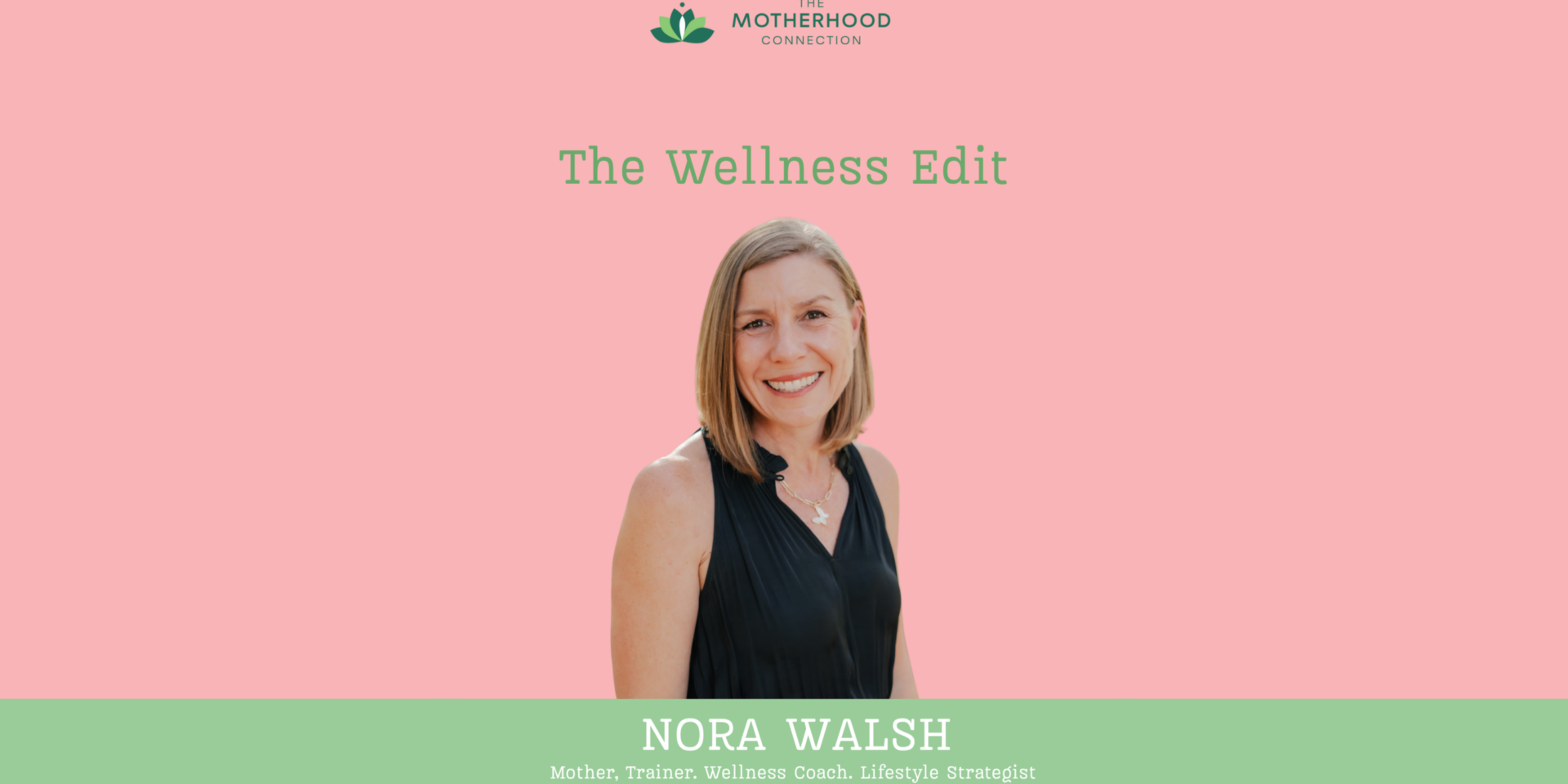
The Wellness Edit: Strong for the Life You’re Living
Strength training has become a popular topic in the health and fitness world, but for many women it can still feel intimidating or unnecessary. When you picture strength training, you might imagine heavy barbells, crowded gyms, or intense workouts that don’t seem to fit into an already full life.
But strength isn’t really about the gym.
It’s about the life you’re living.
As a health coach and trainer, I see this every day with the women I work with. The goal isn’t to become a bodybuilder or spend hours in the gym. It’s simply to feel strong enough to handle the demands of everyday life.
Whether you’re lifting a baby out of a crib, carrying a toddler on one hip while juggling groceries, hauling sports equipment to practice, helping a parent move something heavy, or simply trying to keep up with a busy day, strength shows up in everyday moments.
Many of us rely on it far more than we realize.
What often gets overlooked is that strength isn’t just about muscles or appearance. It’s one of the most important foundations of long term health. Maintaining muscle helps support metabolism, protect bones and joints, improve posture, and make everyday tasks feel easier instead of draining.
In other words, strength supports the life you want to live.
Strength Looks Different in Every Season
One of the most encouraging things about strength training is that it can meet you wherever you are.
For women in their 20s and 30s, strength can help rebuild the body after pregnancy, support core stability, and restore confidence in how the body moves and feels. Many new moms spend so much time caring for others that their own recovery takes a back seat. Gentle strength training can be a powerful way to reconnect with the body and rebuild resilience.
For women balancing careers, children, and a full household, strength training often becomes less about appearance and more about energy and endurance. When your muscles are stronger, everyday tasks require less effort. You may notice you feel less fatigued at the end of the day and more capable of handling the physical demands of a busy life.
As women move into their 40s and 50s, strength becomes even more important. Hormonal shifts during perimenopause and menopause can lead to gradual muscle loss and changes in metabolism. Strength training helps protect muscle, support bone density, and maintain balance and stability.
But regardless of your age or stage of life, the goal is not to push your body to extremes.
The goal is simply to support your body so it can support you.
Strength Builds More Than Muscle
One of the most rewarding parts of strength training is that the benefits go far beyond physical changes.
Women often notice that when they begin lifting weights, even light ones, they start to feel different in subtle but meaningful ways. Movements that once felt tiring become easier. Posture improves. Energy levels begin to rise.
There is also a quiet confidence that grows from feeling physically capable.
You begin to trust your body more.
Strength training also plays an important role in metabolic health. Muscle is active tissue, which means it helps your body use energy more efficiently and supports a healthy metabolism. Maintaining muscle can support blood sugar balance and contribute to overall metabolic wellness.
These changes do not usually happen overnight. They develop gradually through consistent movement and small habits practiced over time.
And that is exactly how sustainable health is built.
It Doesn’t Have to Be Complicated
One of the biggest misconceptions about strength training is that it requires hours in the gym or complicated equipment. In reality, simple movements done consistently can make a meaningful difference.
Exercises like squats, lunges, push ups, rows, and core work strengthen the muscles that support everyday movement. Many of these exercises can be done using your own body weight or with simple tools like resistance bands or light dumbbells.
Even two or three short strength sessions each week can help maintain and build muscle over time.
The key is consistency, not intensity.
Starting small and building gradually often works best, especially if you are new to strength training or returning to it after time away.
Shifting the Mindset Around Exercise
Many women have spent years viewing exercise primarily as a way to burn calories or change how their bodies look. While movement can certainly influence body composition, focusing only on weight or appearance can make exercise feel like another obligation on an already long to do list.
Strength training offers a different perspective.
Instead of asking, “How can I shrink my body?” the question becomes, “How can I support my body so it feels stronger and more capable?”
That shift in mindset can be incredibly freeing.
When exercise becomes a way to care for your body rather than criticize it, it often becomes easier to stay consistent and even enjoyable.
A Gentle Invitation
If strength training has not been part of your routine yet, consider this a gentle invitation to explore it.
Not because you should.
Not because you have to.
But because your body deserves support in every season of life.
Strength is not about chasing perfection or pushing yourself beyond your limits. It is about building a body that helps you live your life with energy, confidence, and capability.
Strong enough to carry what life asks of you.
Strong for the life you’re living today—and the years ahead.
Strong looks different in every season of life, but every small step toward caring for your health truly matters.
__________
Nora Walsh is a health coach, personal trainer, menopause coaching specialist, and the founder of Healthy Balance Fitness. With a degree in Exercise Science and nearly 30 years of experience in the health and fitness field, Nora helps women build sustainable habits that support strength, energy, and long term health. Her work focuses on practical approaches to nutrition, strength training, and lifestyle that help women feel strong, capable, and supported through every season of life.
Nora works with women ranging from new moms to those navigating perimenopause and menopause, helping them understand how their bodies change over time and how simple, consistent habits can support metabolic health and overall well being. She believes health should feel supportive rather than overwhelming, and her approach centers on balance, compassion, and realistic strategies that fit into busy lives.
Based in Long Beach, Nora works with clients both virtually and in person, helping women prioritize their health so they can show up with more energy and strength for the life they’re living.
Important Disclaimer
All content submitted and published as part of the Expert Series reflects the views, opinions, and professional perspectives of the individual contributor.
The Motherhood Connection does not independently verify facts, claims, or professional guidance provided within contributed editorials and is not responsible or liable for the accuracy, completeness, or outcomes related to the content.
Contributors are solely responsible for ensuring their information is accurate, ethical, and aligned with their professional standards and any applicable regulations or licensing requirements.