

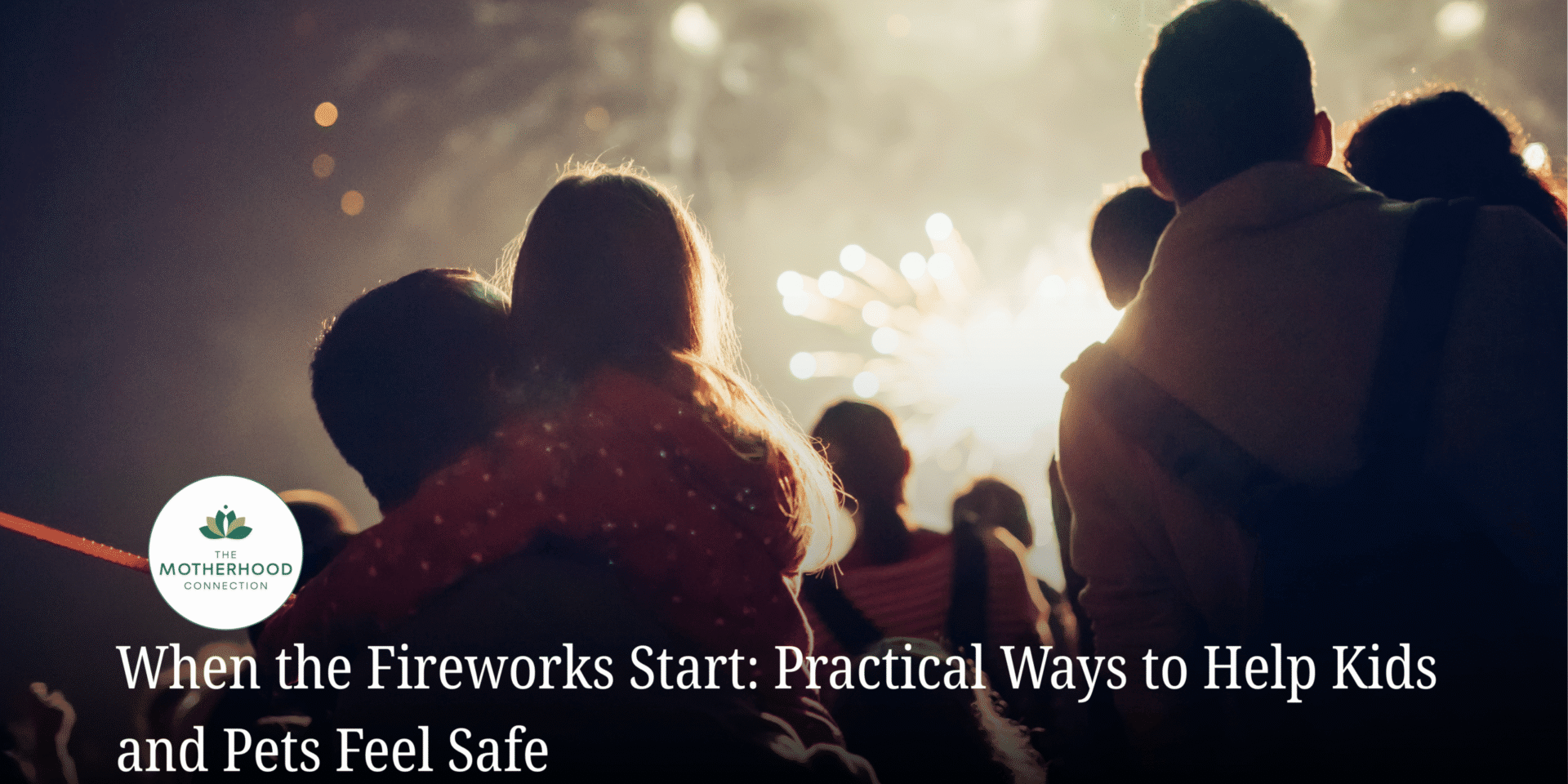
When the Fireworks Start: Practical Ways to Help Kids and Pets Feel Safe
For many Long Beach families, summer evenings bring some of the year’s best memories.
Neighborhood barbecues, beach days, community celebrations, and fireworks displays are all part of the season. But if you’re parenting a baby, toddler, energetic elementary-aged child, or even a teenager who values their sleep, fireworks season can quickly become one of the more challenging times of the year.
The reality is that fireworks rarely begin and end at convenient hours. Some neighborhoods experience several nights of loud booms before and after holidays, making it difficult for little ones—and their parents—to get the rest they need. Add anxious pets into the mix, and it can feel like everyone in the house is struggling to settle down.
The good news is that while you can’t control what’s happening outside, you can prepare your family so everyone feels a little calmer when the fireworks begin.
Start Preparing Before the Sun Goes Down
One of the easiest ways to reduce stress later in the evening is to set expectations early. Children often handle unfamiliar situations better when they know what’s coming.
If your child is old enough to understand, spend a few minutes talking about the evening before dinner.
You might say something like:
“Tonight you might hear loud noises outside. They’re fireworks. They can be surprising, but we’re safe at home together.”
Keeping the explanation simple and reassuring helps children feel more secure without creating unnecessary worry.
For younger children, keeping the evening routine as predictable as possible often makes the biggest difference.
Don’t Feel Like Bedtime Has to Be Perfect
Parents often put pressure on themselves to maintain the exact bedtime routine every night. During fireworks season, flexibility can sometimes be the healthier option.
If your child is likely to be awakened multiple times by loud noises, consider making a few temporary adjustments instead of fighting an uphill battle.
Some ideas include:
- Start bedtime 20–30 minutes earlier if possible.
- Allow extra reading or cuddle time if your child seems anxious.
- Let younger children fall asleep with calming background noise.
- Keep bedtime routines familiar, even if the actual bedtime shifts slightly.
- Accept that one imperfect night won’t undo healthy sleep habits.
Children are remarkably resilient. One later bedtime or one interrupted night of sleep is rarely as harmful as parents imagine.
Create a Calm Sleeping Environment
While fireworks are difficult to block completely, there are ways to soften the experience inside your home.
Consider:
- Running a fan for consistent background sound.
- Using a white noise machine in bedrooms.
- Closing windows before fireworks begin.
- Pulling blackout curtains to reduce flashing lights.
- Keeping bedrooms slightly cooler if windows need to remain closed.
These small adjustments can make a surprisingly noticeable difference for light sleepers.
Babies Need Comfort, Too
Babies can’t understand why loud explosions are happening outside. They simply react to sudden changes in their environment.
If your baby wakes from fireworks:
- Pause before rushing in if they simply stir.
- Offer gentle reassurance without turning on bright lights.
- Keep interactions calm and quiet.
- Follow your normal nighttime routine as closely as possible.
- Remember that babies often settle more quickly when parents remain calm themselves.
Sometimes your calm presence communicates safety more effectively than words ever could.
Helping Toddlers Feel Safe
Toddlers often experience fireworks differently than older children. They may become frightened by the unexpected sounds or flashing lights without fully understanding what’s happening.
During the evening, try offering choices that help them feel in control.
For example:
- Which pajamas would you like tonight?
- Would you like your stuffed animal or blanket?
- Should we turn on the white noise now?
- Would you like one more bedtime story?
Small choices create a sense of security during an unpredictable evening.
Elementary-Aged Kids May Have Mixed Feelings
Some school-aged children are fascinated by fireworks while others find them overwhelming.
Rather than assuming how they’ll feel, ask open-ended questions.
- “What do you think about fireworks?”
- “Do the loud noises bother you?”
- “Is there anything that would help you feel more comfortable tonight?”
Sometimes children simply appreciate knowing their feelings are normal.
Don’t Forget About Teenagers
Teenagers may not be afraid of fireworks, but late-night neighborhood celebrations can still interfere with their sleep, especially if they’re balancing summer jobs, sports, or early morning commitments.
Encourage them to:
- Keep devices off before bed despite the excitement outside.
- Use headphones or white noise if needed.
- Stick to a reasonably consistent sleep schedule.
- Catch up on rest the following night instead of sleeping half the day.
Good sleep still matters, even during summer break.
Fireworks Can Be Stressful for Pets
Our four-legged family members often struggle just as much as young children during fireworks season.
Dogs, cats, rabbits, and other pets may become anxious long before the first firework is even visible.
A few ways to help include:
- Bring pets indoors before dark.
- Walk dogs earlier in the evening.
- Double-check collars and identification tags in case a frightened pet escapes.
- Close windows, blinds, and curtains.
- Play calming music or leave the television on.
- Create a quiet space where your pet naturally feels safe.
- Stay calm yourself—pets often pick up on our emotions.
Some animals prefer hiding under beds or inside closets. If they’re safe, it’s perfectly okay to let them choose their own comfort spot.
If You’re Heading Out to Watch Fireworks
Many Long Beach families enjoy attending local celebrations each summer. If you’re planning to watch a fireworks show, a little preparation can make the evening much smoother.
Consider bringing:
- Water for everyone.
- Snacks to avoid hungry meltdowns.
- Lightweight blankets.
- Pajamas for younger children to change into afterward.
- Strollers or wagons for tired little legs.
- Infant hearing protection if attending a professional fireworks display.
- Comfort items like favorite stuffed animals or blankets.
Leaving just a few minutes before the grand finale can also help you avoid traffic while getting everyone home before complete exhaustion sets in.
Give Yourself Permission to Keep It Simple
Not every family needs to attend every fireworks event. If your child is especially sensitive to loud sounds, your baby is going through a difficult sleep phase, or your pet becomes extremely anxious, staying home may simply be the better choice this year. There will be many more summers ahead. Sometimes the best family memories come from watching a movie together, building a blanket fort, making popcorn, and waiting for the booms to pass from the comfort of home.
One of the beautiful things about parenting is that there’s rarely one right way to do things. Some Long Beach families love gathering along the waterfront to watch fireworks light up the sky. Others prefer an early bedtime, a white noise machine, and staying cozy indoors with their pets close by.
Whatever works best for your family is the right choice.